Your Atlanta summer reading list — plus reasons to tackle it
For many people, summertime means reading, whether it’s a school reading list or a relaxing page-turner on the beach. This summer, Atlanta’s got a lot to offer its readers.
Throughout Atlanta and much of the state, libraries are taking part in the Color Our World summer reading challenge, which runs from June 1 to August 1 and includes programs and events at library branches and prizes for meeting reading goals.
::
What Is “Color Our World?”

Color Our World is a summer library challenge developed by the Minnesota nonprofit Collaborative Summer Library Program (CSLP). The challenge partners with digital platform Beanstack to gamify summer reading, with readers tracking their book time to earn badges and prizes. Participating libraries — which include the Cobb, DeKalb, Fulton, Gwinnett and Sequoyah regional library systems — use CSLP’s thematic content and branding as a foundation, building their own programs, events and prizes on top.
In DeKalb County, this means a whopping 375 free programs and events in June alone, nearly double the library’s average. According to library director Alison Weissinger, preparations for each year’s challenge start in early fall, led by programming staff. “As we get closer to summer, all staff from across the library pitches in in some way. It’s a massive team effort.”
This year’s theme focuses on the creative arts. “The idea behind it,” Weissinger says, “is how art and creativity, much like reading, has this power to uplift and connect people. Through the library, we can help people explore the world virtually through stories, discover new perspectives, meet new people and strengthen their connection to their community.”
Preventing the Summer Slide
There’s strong evidence that summer reading programs — particularly library programs like Color Our World — are great for young readers and students, instilling a sense of fun around reading. For the youngest library patrons, this is the main goal of summer reading. “We want to lay the foundation for a lifelong love of reading,” Weissinger says.
School-age children require a little more from the program. According to Weissinger, “a primary focus is preventing what we call the ‘summer slide.’ That’s the learning loss that can occur over the months between school years.”

The summer slide accounts for much of the achievement gap between low- and high-income students. Unlike most school libraries, public libraries are open all year, helping kids from all over Atlanta to maintain access to books during summer break. And reading challenges like Color Our World are enormously successful: According to Scholastic, 65% of kids who participate in a summer reading challenge saying they read more than they otherwise would have.
STEM-focused picture books such as Smash, Crash, Topple, Roll!, written by Catherine Thimmesh and illustrated by Atlanta native Shanda McCloskey, can help kids retain science and math skills they learned over the school year. Socially-conscious YA titles like Dear Manny, by Atlanta writer Nic Stone, and Amelia, If Only (2025), by Atlanta YA novelist Becky Albertalli, can maintain critical thinking skills while letting teenage readers indulge in romance and drama. And graphic novels such as Athens native Joey Weiser’s The Littlest Fighter (2025), about kaiju-fighting hero Ash, let young readers’ imaginations run wild.

Weissinger says in addition to these benefits, the summer reading challenge “lets people tap into their competitive side in a positive way.” Competitions like DeKalb County’s virtual bingo card, which lets participants earn prizes by reading, encourage reluctant readers by building excitement into the reading experience. And events like Dekalb County’s June 13 reading with Atlanta author Carmen Agra Deedy, author of the new picture book The Peanut Man from Atlanta’s Peachtree Publishing, give young readers a personal connection to the books they read, creating a sense of community support. The event is free to the public, but registration is required to attend.
Not Just for Kids

Though much of the attention goes to kids when it comes to summer reading, it offers a slew of benefits to adults, too. “One of our major goals is to encourage exploration and discovery,” Weissinger says. “Summer is a perfect time to step outside your usual reading habits and try something new. It could be a genre you’ve never considered or a topic that piques your curiosity.”
Studies suggest that this type of reading is great for adult brains, helping to maintain attention span, stave off cognitive decline and build empathy. Local authors have a lot to offer on this front, with captivating novels about troubled misfits and people in transition, like Austyn Wohlers’ Hothouse Bloom (August 2025), Carrie R. Moore’s Make Your Own Way Home (July 2025), Rob Franklin’s Great Black Hope (June 2025) and Sharon E. Yarbrough’s The Land of the Dancing Rabbits (August 2025).
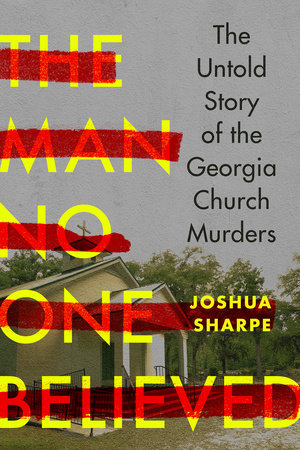
There’s also lots of Atlanta-penned nonfiction to look forward to this summer, like Susana M. Morris’ Positive Obsession: The Life and Times of Octavia E. Butler (August 2025); Joshua Sharpe’s The Man No One Believed: The Untold Story of the Georgia Church Murders (August 2025); Brian Goldstone’s There Is No Place for Us: Working and Homeless in America; and Gene Kansas’ Civil Sights: Sweet Auburn, A Journey through Atlanta’s National Treasure.
Summer vacation reading has a reputation as excellent stress relief, and lots of studies bear this out, especially when the stories provide an escape from readers’ routine. Atlanta-authored murder mysteries such as Lo Patrick’s Fast Boys and Pretty Girls (July 2025); Karin Slaughter’s We Are All Guilty Here (August 2025); and Katherine Wood’s Sunburned (July 2025) are great options for decompressing on a beach or a mountaintop.
Weissinger also hopes that the challenge will “encourage adults to engage with the diverse range of programs we offer to expand their thinking about how the library enriches the community.” Libraries keep detailed records of how many people use its services and attend its programs, and increased patron participation helps them to lobby local and state governments for support, which will be increasingly important as federal funding diminishes.
::
Rachel Wright has a Ph.D. from Georgia State University and an MA from the University College Dublin, both in creative writing. Her work has appeared in The Stinging Fly and elsewhere. She is currently at work on a novel.
STAY UP TO DATE ON ALL THINGS ArtsATL
Subscribe to our free weekly e-newsletter.

PLEASE SUPPORT ARTSATL
Your Gift Sustains the Coverage You Count On!
Related Posts