Marietta Museum opens a door to contemporary art
Way back in 1998, British artist Tracey Emin presented the work My Bed at the Tate Gallery in London. Literally, it was her bed which she had been languishing in for days in a depression. Emin schlepped the bed to the gallery, complete with dirty sheets, used condoms and menstrual stains. She won the prestigious Turner Prize for this piece, and My Bed eventually sold for $2.5 million.
My Bed, as with much contemporary art, can feel like it is laughing at the viewer –like we are not part of the in crowd. And, in turn, when everyday museum patrons say “I don’t get it” to these types of concept pieces, they can feel derided by the artists for being simple minded.
The Magic of Modern Art: How to Love Modern & Contemporary Art, currently on view at the Marietta Cobb Museum of Art, is perfect for families with children who are interested in modern or contemporary art but are unsure of where to start when it comes to learning about what makes contemporary art special. The exhibition, open through June 16, aims to make contemporary art accessible and interesting for a wide audience. While the show may seem a bit plebeian for seasoned art connoisseurs, it provides an excellent introduction to art for anybody who has ever thought, “What makes this special.”
Shows like The Magic of Modern Art are an important opportunity to re-engage with viewers and bring them back to museums with art that meets audiences where they are. Madeline Beck, curator at the Marietta Cobb Museum of Art, worked with artist Robyn Jamison to bring the show to life. Jamison treated the subject in her book The Magic of Modern Art: How to Love Modern & Contemporary Art, and these works all relate to her exhaustive list of misconceptions about modern art. These include ideas like “Good art should be technically challenging to make,” or “Good art should be pretty.” The works compiled by Jamison shatter these false ideas about what makes good art, but –importantly — there’s none of that dreadful schlock where the concept takes precedence over the quality of the work.
The works in this show feature a full gamut of contemporary art mediums, including paintings, sculpture, photography, video installation and mixed media. And, generally, everything is a joy to look at — not that this is a prerequisite for something to be considered “good art,” which the exhibition points out. But it certainly helps that there are no purposefully ugly artworks on display. No bloodstained bed sheets or rotting sharks in formaldehyde here.
“But what’s so special about this painting that has cardboard glued to it,” some viewers might say when they see the painting Pill the Pill (2022) by Craig Drennen. And, indeed, the mixed media painting does appear to have nothing more than circles of cardboard attached to the canvas. However, on closer inspection, we see that the cardboard is actually painted on the canvas photorealistically. Drennen used an extremely fine-haired paintbrush to capture the individual grain markings of corrugated cardboard. This work literally demonstrates how contemporary art can play with the viewer’s sense of reality and do so with a bit of humor.
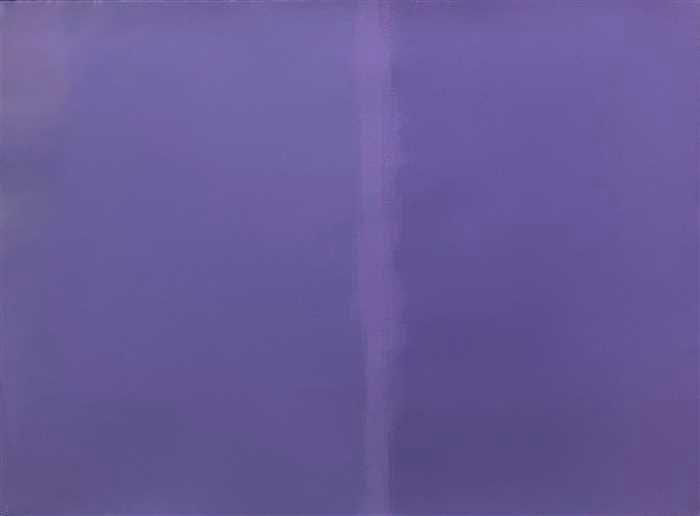
Elsewhere in the show are works that could evoke the classic argument of “My kid could have painted that!” A print by Anne Truitt features just a field of purple paint on paper. It brings to mind the work of Mark Rothko — the floating blobs of color on canvas which he called “miraculous” — who to this day is derided by some for being too technically simplistic. Technical difficulty aside, the work by Truitt is objectively beautiful. It is calming, yet it still grabs the eye from across the room. Also, the work might in fact inspire someone’s kid to paint something like it — at least I hope it does.

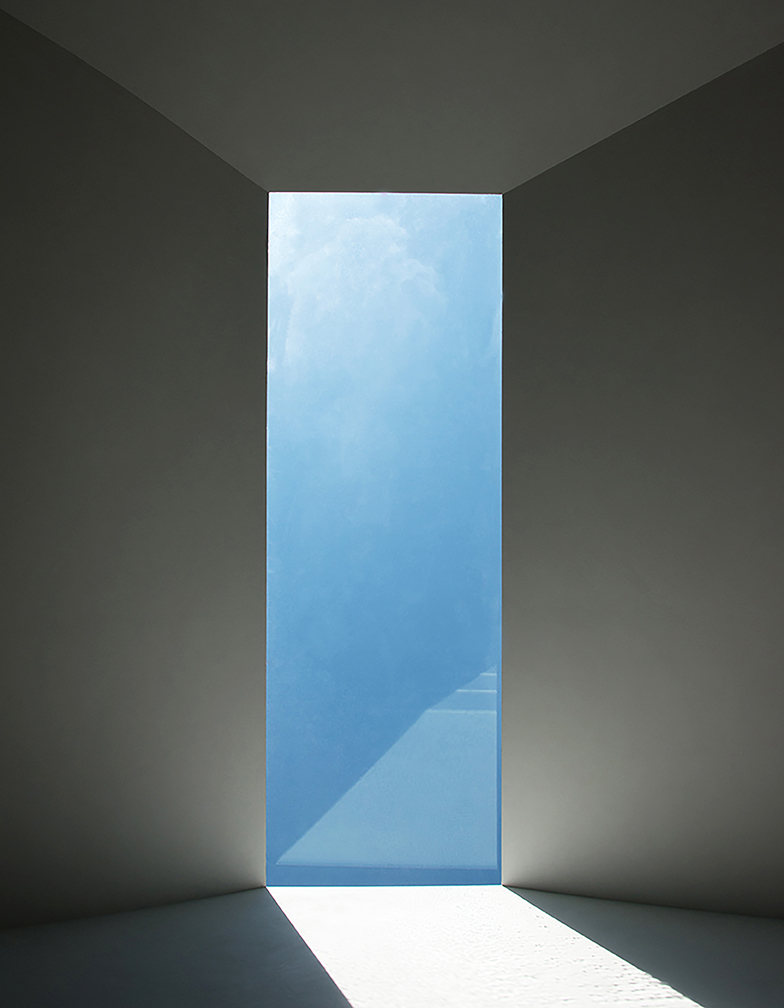
A handful of photographs in the show give a nod to what is perhaps the most widely popular medium. The photo works of Lawrence Oliverson are just barely figurative, and look more like abstract paintings. In one of his works, Untitled (2019), the photo is of an empty gray room with a singular window looking out into a blue sky. The shapes and the color gradation look more like an Ellsworth Kelly painting than a photograph. This gives the viewer a chance to ask “What makes a photograph art?” Maybe the fact that the photos by Oliverson prompt such questions in our mind is what makes them art.
It’s worth pointing out why I labeled this show as “perfect for families with children” — there’s nothing too shocking or embarrassing on display in the show. There’s nothing like Tracey Emin’s My Bed. The Magic of Modern Art features no nudity or anything that engages prurient interests. A video installation by Jamison does cover some issues related to feminism that may be more appropriate for teenagers and older; however, this is not the kind of show that parents would need to shield their child’s eyes from. The pieces in the show can be comfortably discussed between parent and child, and the educational materials on the walls will prompt thoughtful conversations about what defines modern and contemporary art. Art should be for everyone and not just the in crowd. Marietta Cobb Museum of Art has done an excellent job of leaning into this ideal.
::
Matthew Terrell is an assistant professor of media and entertainment in the School of Communications at Kennesaw State University.
STAY UP TO DATE ON ALL THINGS ArtsATL
Subscribe to our free weekly e-newsletter.

PLEASE SUPPORT ARTSATL
Your Gift Sustains the Coverage You Count On!
Related Posts